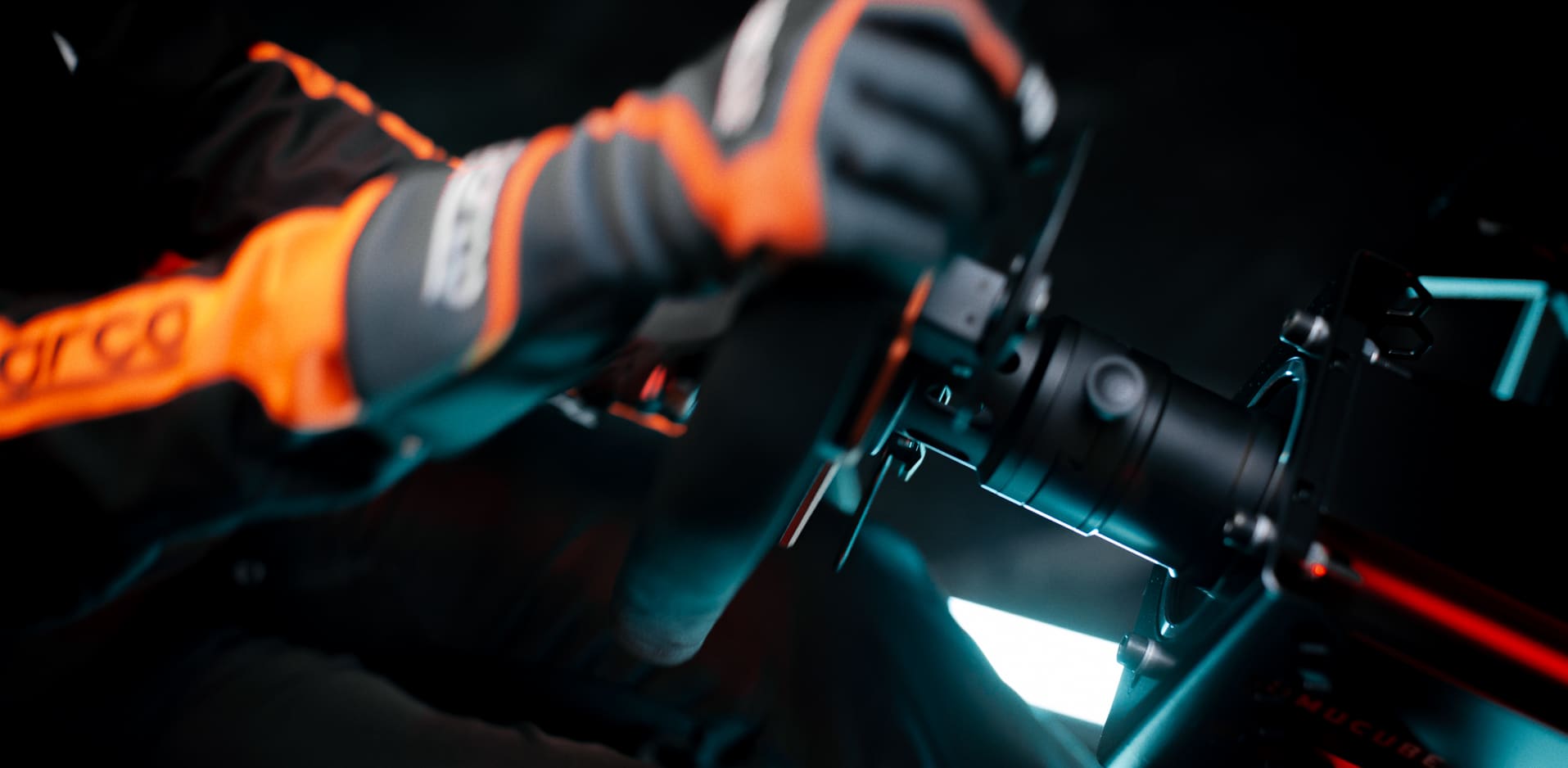
Trusted by pros: Simucube for professional driver training
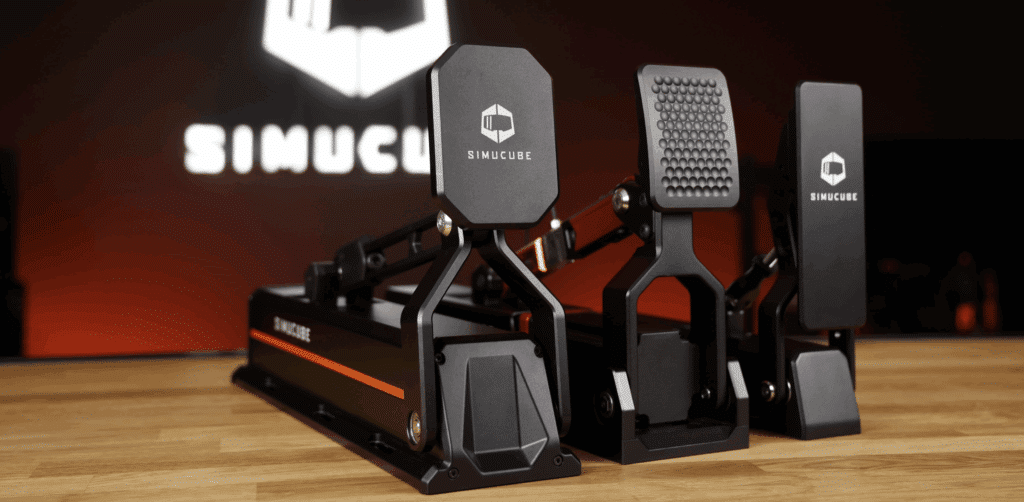
Trusted force feedback and pedals are essential in simulators used for professional driver training.
At the professional level, training isn’t just about doing more laps. It’s about making every lap count. Learning a new circuit faster. Refining references. Repeating performance until it becomes automatic. All of these goals depend on the same thing: maximizing the value of every lap.
That’s exactly why sim racing has become a real part of professional driver training and why professional motorsport and sim racing athletes trust Simucube products at the center of their rigs.
Across disciplines and series, the pattern is the same: when the simulator becomes a training tool and not just entertainment, the hardware has to be consistent, adjustable, and reliable enough to disappear from your thoughts.
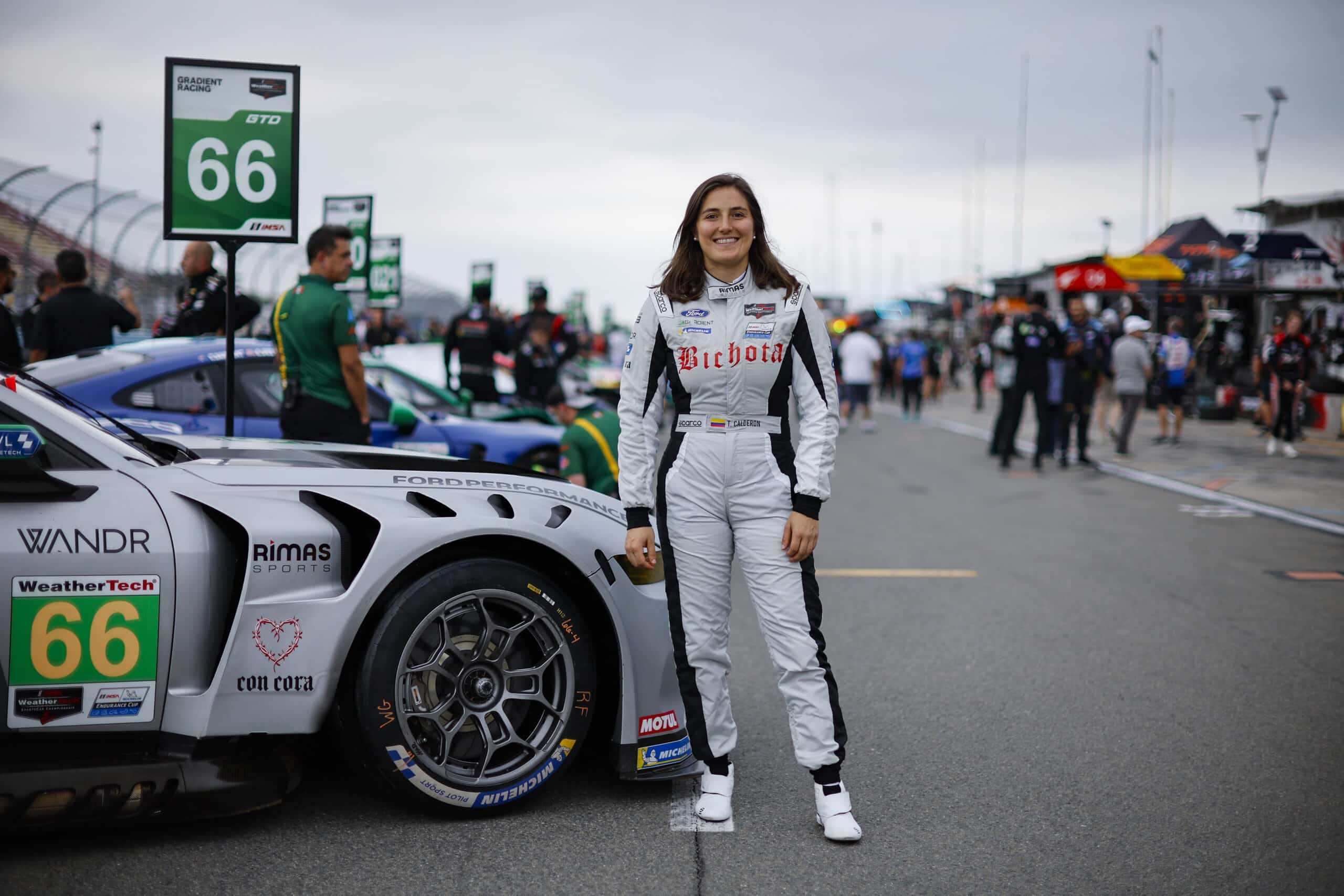
Tatiana Calderon
Professional driver training: Sim time that translates into track time
For Tatiana Calderón (IMSA SportsCar Championship), sim racing became essential when international racing meant constant new environments and limited track time.
“Sim racing been crucial to learn new tracks and speed up the process to maximize track time.” — Tatiana Calderón
That ability to arrive prepared is what makes sim racing so powerful for pros in motorsports: you’re not starting from zero on Friday morning. You’re building a foundation before you even get the car on the track.
For Tim Heinemann (GT driver / Virtual DTM Champion), that preparation goes beyond track knowledge. It’s a broader performance tool.
“Sim racing is more than just learning the tracks. It’s about learning how to become a racing driver.” — Tim Heinemann
Force feedback and pedals in professional sim racing training
In real cars, your body is flooded with information. In a simulator, a lot of that disappears and what’s left has to come through your hands and feet. Here the wheelbase and sim racing pedals play a crucial role.
That’s where high-end force feedback and pedal feel stop being “nice to have” and start becoming the training itself.
For drifting, where feel and car control are everything, Mika Keski-Korpi points straight to the core value:
“Feedback from the wheelbase is essential for training.” — Mika Keski-Korpi
For endurance and GT-style racing, being able to concentrate fully without second-guessing the equipment is the difference between chasing pace and building it. Tim puts it simply:
“I can always rely on Simucube equipment. This allows me to fully focus on driving.” — Tim Heinemann
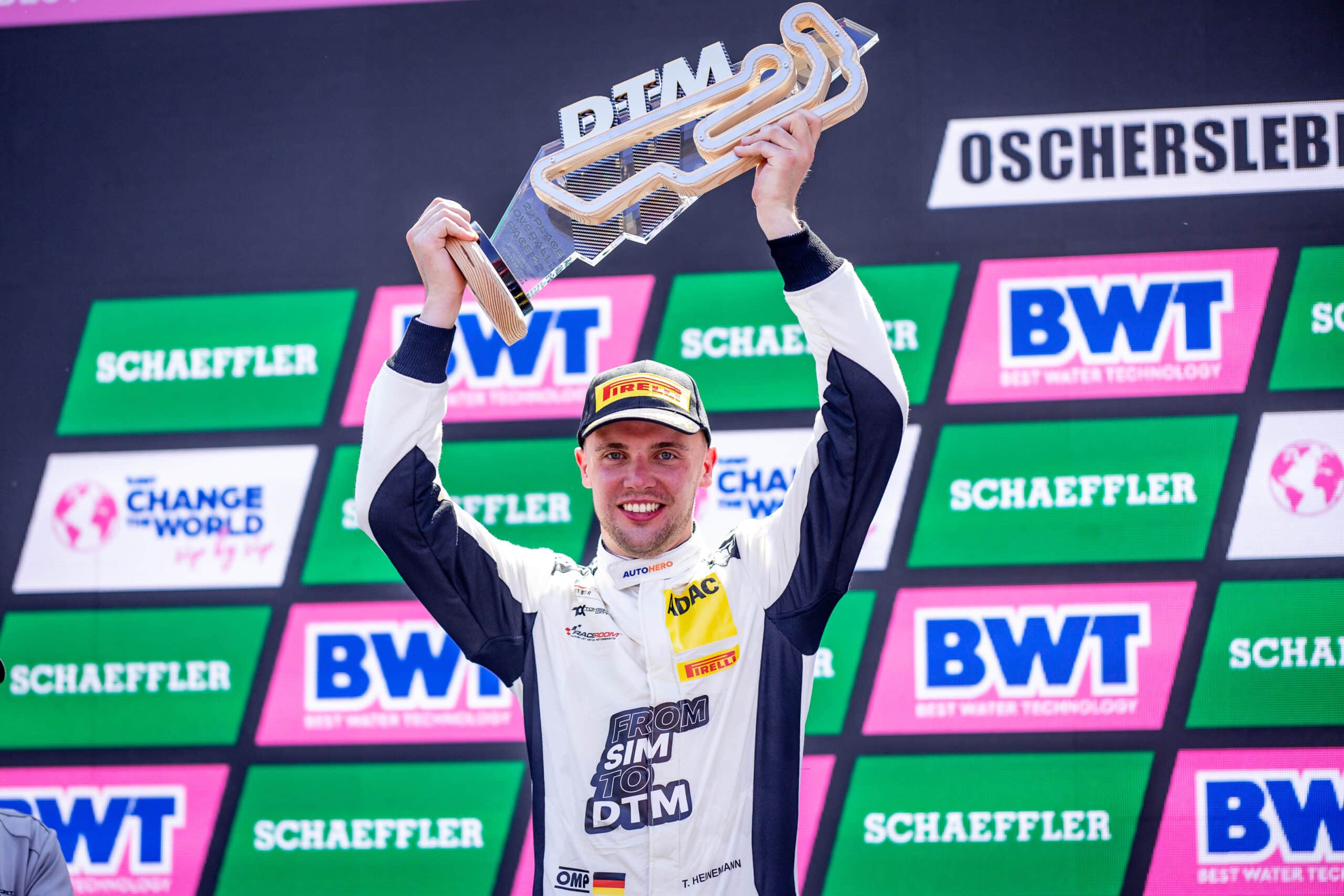
Tim Heinemann
Consistency is the hidden advantage
The best training isn’t a single hero lap. It’s repeatability. It’s building a routine that delivers the same quality every session and hardware that behaves the same way, every time. And, in racing simulators consistency is everything.
James Baldwin (GT driver and sim racer) highlights this from the perspective of someone operating at the sharp end of competitive grids:
“For me, the greatest thing about Simucube products is the reliability. I’ve personally never had a single issue” — James Baldwin
That reliability isn’t just convenience. It protects your focus. It keeps your practice clean. It means your progress is driven by your inputs not by guesswork or inconsistency.
And when sim racing becomes part of your professional driver training, the smallest advantages compound. James describes why detail matters in top-level competition:
“In the highest level of sim racing, when the grid is separated by a few tenths, every tiny detail counts.” — James Baldwin
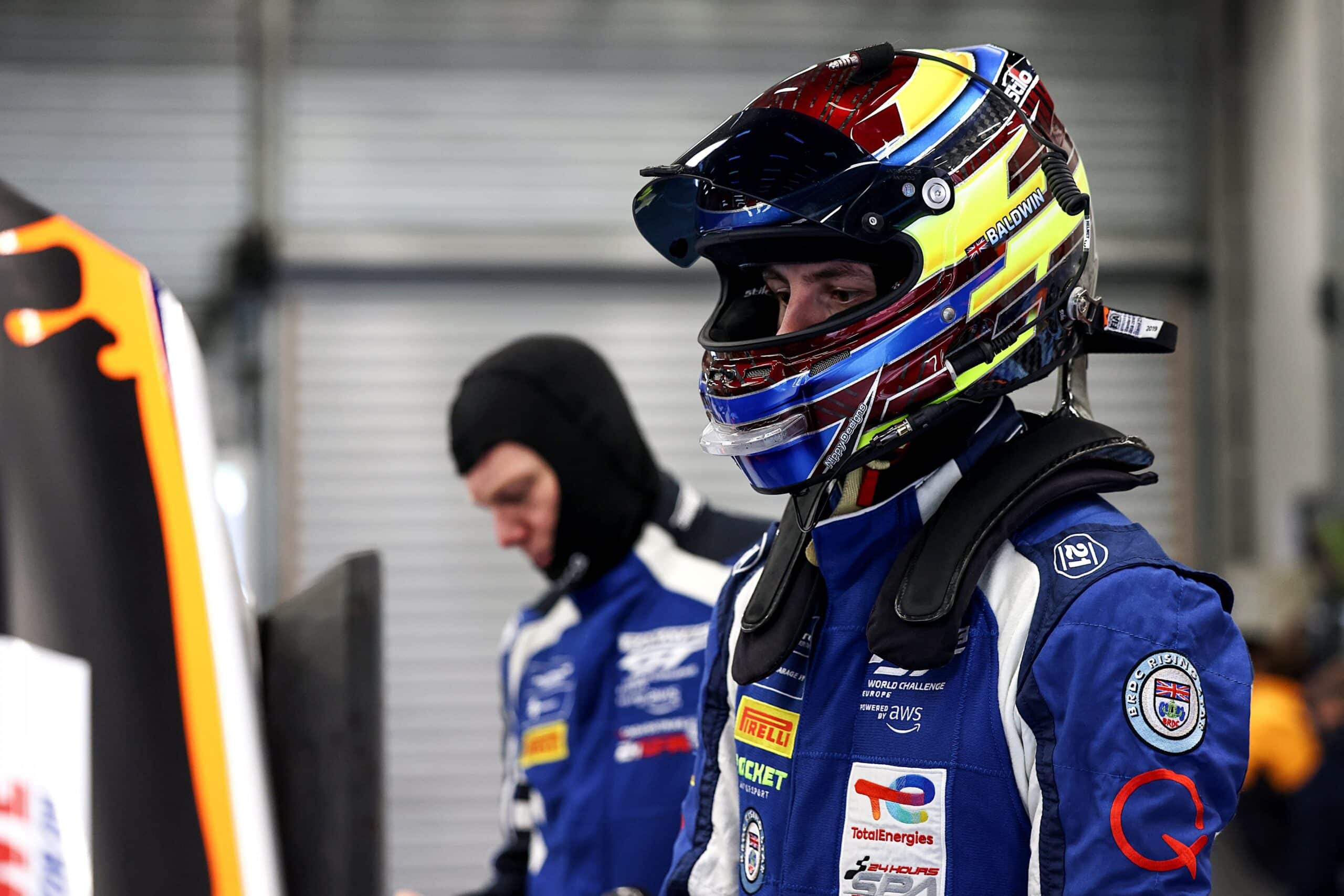
James Baldwin
A simulator that helps you improve constantly
For many professional drivers, the real proof is what changes over time: faster learning, sharper references, better control, and clearer direction when you arrive at the track.
Tatiana describes how sim racing helps her build that clarity before real laps begin:
“It’s a short cut to get more familiar with settings, track references and understand areas to work on when we get to the real car and track.” — Tatiana Calderón
Mika’s perspective is equally blunt: good equipment plus intentional sim training can translate into real-world improvement.
“Year after I started to do sim training with good equipment and with a plan I was the most improved driver in the whole Drift Masters” — Mika Keski-Korpi
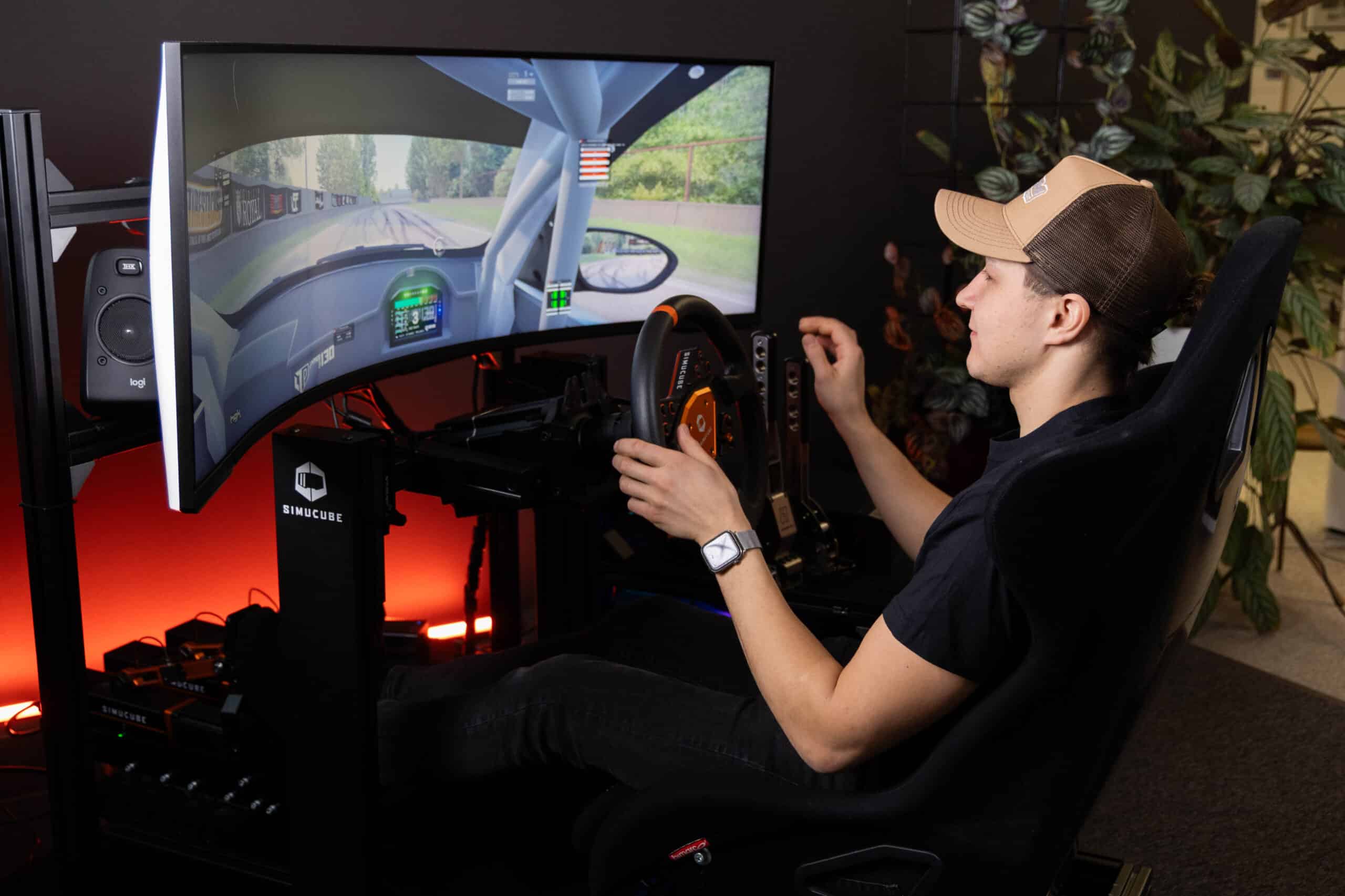
Mika Keski-Korpi
Simucube — Trusted by pros for professional driver training
These drivers don’t choose gear for hype. They choose what helps them prepare: equipment they can rely on, feedback that makes sense, and adjustability that supports different cars, tracks, and disciplines.
Or, as James sums it up:
“Simucube is the pinnacle of sim racing equipment, whether it’s for esports or real-world racing preparation” — James Baldwin
If you’re building your own training setup, that’s the takeaway: choose hardware that disappears into the background and gives you the confidence to focus on what matters.
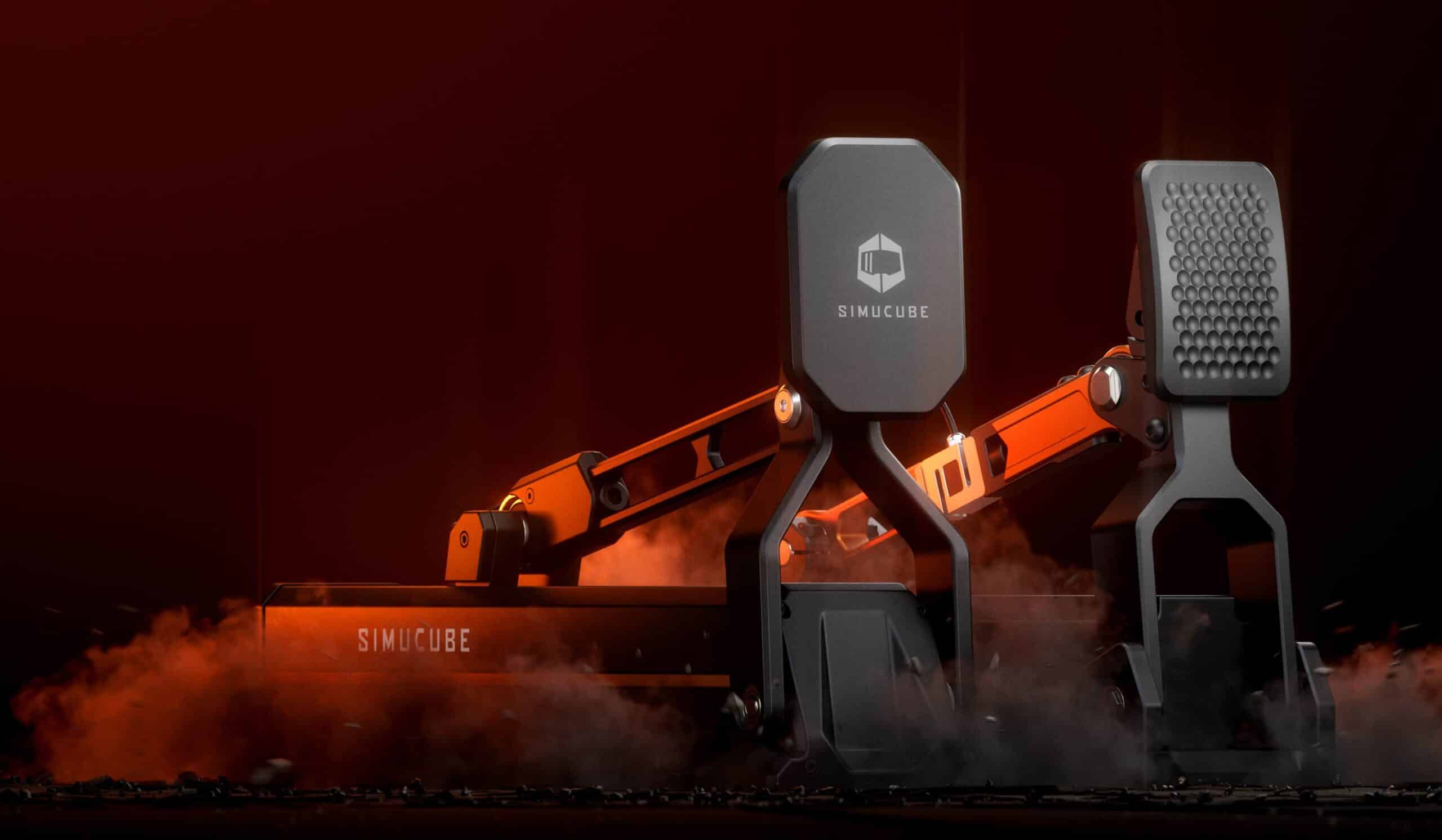
Sim racing setups chosen by professionals
A quick look at what these pros use as part of their training:
Tatiana Calderón (IMSA sportscars championship, Single seaters, and Sportscars)
Tatiana Calderón (@tatacalde7)
Mika Keski-Korpi (Drift Masters, drifting)
Mika Keski-Korpi (@keskikorpimotorsport)
James Baldwin (GT World Challenge Europe, sim racing, and real-world sports car racing)
- Simucube 2 Ultimate wheelbase
- Simucube ActivePedal Ultimate pedals
James Baldwin (@jaaamesbaldwin)
Tim Heinemann (GT World Challenge, 24h Nürburgring, GT3, and DTM)
Tim Heinemann (@tim.heinemann)
Learn more about pro drivers
Simucube athletes, racers, and teams
James Baldwin (GT driver, sim racer) case study
Tim Heinemann (GT driver) case study
Read more blogs
Simucube Link Platform: Turning complex sim racing setup into one predictable system
Simucube 2: Legendary wheelbase, built to last
Differences between Simucube 2 and Simucube 3
Pedal technologies in sim racing